
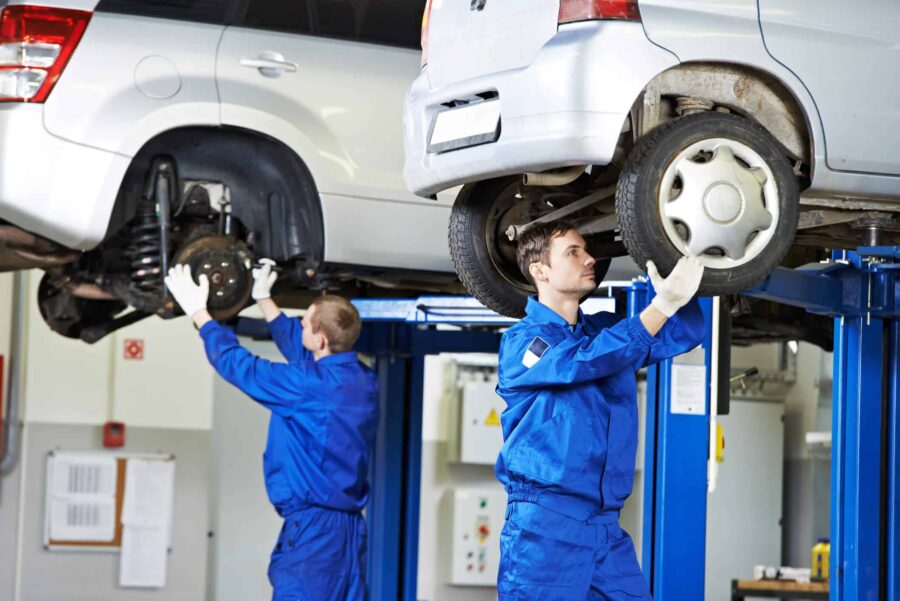
If you want to step into the world of automotive repair — whether your goal is to work with cars, trucks, motorcycles, or heavy machinery — starting with a free mechanics course that includes a certificate is one of the smartest ways to begin.
🔧 Mechanics Course
Learn to repair cars and engines.
📐 Technical Basics
Theory and practice from scratch.
🛠️ Professional Tools
Hands-on skills for real workshops.
🚗 Certification
Earn an official credential.
These courses give you structured training, real hands-on knowledge, and a recognized document you can present to workshops, dealerships, or future clients.
📘 Perfect for a wide range of learners
👨🔧 Beginners who want a clear introduction to automotive systems
🔧 Technicians seeking updated knowledge on modern engines and electronics
🚗 Hobbyists who enjoy repairing their own vehicles
💼 Career changers looking to enter a growing and well-paid industry
You learn entirely at your own pace, without monthly fees, and from modules that cover the most important areas of automotive technology: diagnostics, maintenance, engine fundamentals, safety procedures, braking systems, suspension, electrical circuits, and more.
🔍 Why take a free mechanics course?
🎯 Start without spending anything
You don’t need tools, textbooks, or tuition fees. All lessons are online, accessible from your computer or phone, and many platforms allow you to earn a digital or printable certificate at no cost.
📄 Gain credibility and visibility
A certificate proves commitment, discipline, and foundational knowledge. It strengthens your résumé and helps your LinkedIn profile stand out, especially when applying to apprenticeships or entry-level technician roles.
🛠️ Learn real, practical skills that matter
The best free courses don’t just give theory — they teach you how things actually work in real workshops. You will study topics such as:
-
Engines and combustion systems
-
Fuel delivery and air intake
-
Ignition components
-
Brakes, ABS, and suspension design
-
Automotive electrical systems
-
Wiring diagrams and continuity tests
-
OBD-II scanning and fault codes
-
Basics of hybrid and EV technology
-
Preventive maintenance and troubleshooting
🧪 Projects and hands-on practice
Most programs include simulators, interactive diagrams, real repair scenarios, and guided tasks. You can record your progress through photos or videos and build a portfolio to present during interviews or workshop visits.
🔧 Bonus modules that expand your skill set
Some platforms even include welding (MIG, TIG, stick), metal fabrication, or small engine repair. These extra skills make you more valuable in both automotive and industrial settings.
🏅 How to choose a high-quality course?
-
Make sure the content is updated
-
Prefer platforms with practical exercises
-
Look for verifiable certificates
-
Check reviews and completion rates
-
Choose structured modules with clear progression
🚀 How to turn your course into a real job?
-
Build a simple portfolio with your projects
-
Highlight your certificates online
-
Connect with local workshops, truck fleets, or dealerships
-
Apply to trainee or apprentice programs
-
Practice basic tasks daily (brakes, diagnostics, electrical tests)
📌 A free mechanics course is only the beginning. Once you build confidence, you can move on to professional certifications like ASE, manufacturer training, or in-person technical programs that open the door to higher earnings and more advanced roles.
Get more informationYou will remain on the same site